
Thriller
Signals from Sector 4
A taut industrial mystery that thrives on procedural realism rather than gunfights, set inside a decaying textile processing plant.
Our review philosophy is grounded in cinematic literacy. We evaluate how the interplay of blocking, lighting, editing cadence, and sound mixing serves the film's core ideas.
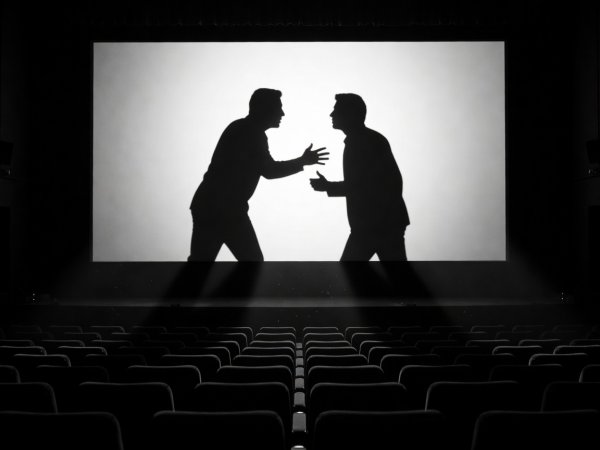
Set during the quiet winter of 1974, Mraz's film functions as a masterclass in architectural staging. Rather than relying on exposition, the camera treats stone corridors and foggy cobblestones as emotional barriers between estranged academics.
Shot in 1.37:1 Academy ratio on grainy monochrome stock, the film traps its characters in tight compositions where every spoken whisper carries the weight of a confession.

Fuentes crafts an intricate character study around a municipal archivist uncovering photographic plates from the 1960s. The film uses shallow depth of field to isolate the protagonist from bustling dockyards, mirroring her emotional detachment from the present.
"Fuentes reminds us that looking is never passive; each photograph preserves both an image and the silence that followed it."
A triumphant work of patient, poetic realism that proves Latin American independent cinema is undergoing a profound renaissance.
A taut industrial mystery that thrives on procedural realism rather than gunfights, set inside a decaying textile processing plant.

Meditation on labor, transit, and eastern European landscape told through five unbroken twenty-minute tracking shots.

An acoustic journey charting an eccentric composer attempting to tune a concert grand piano to ocean tides.
Cookies on this site
Essential cookies keep this site working. Optional ones help us see what is useful. You can change your choice at any time. More about cookies